
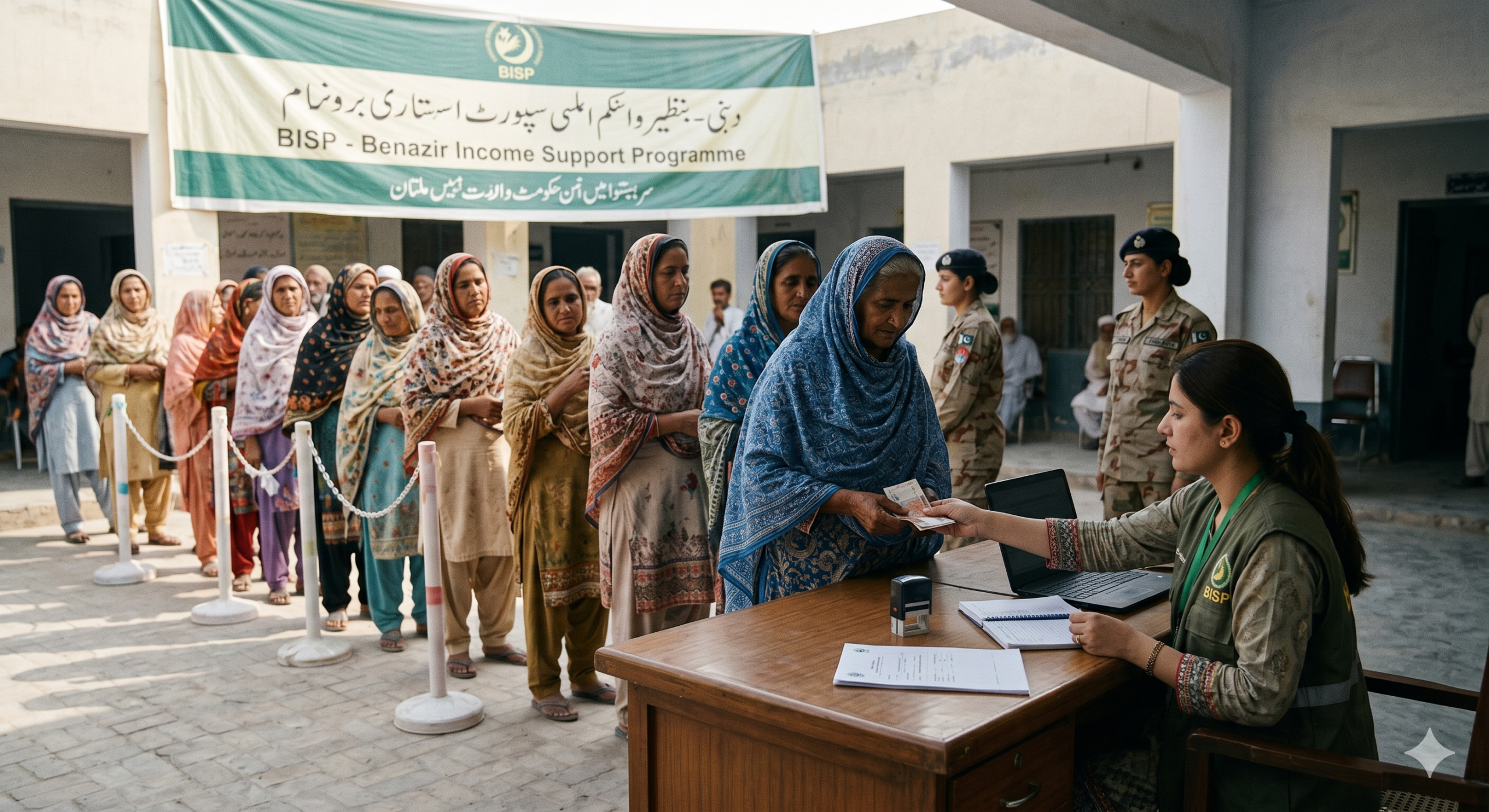
The BISP 13500 payment program continues to provide financial assistance to thousands of deserving families across Pakistan. Rising inflation, unemployment, and increasing household expenses have made financial support programs more important than ever before. Many low-income families depend on these payments to manage daily necessities such as food, school expenses, medicines, electricity bills, and transportation costs.
Every year, beneficiaries wait for new payment updates, eligibility announcements, and verification schedules. In 2026, the payment amount of 13500 has gained significant attention because many families are trying to confirm whether they qualify and how they can collect their funds safely.
For many women and elderly beneficiaries, understanding the payment process can sometimes feel confusing. Questions about registration, CNIC verification, surveys, payment release dates, and biometric confirmation are very common. This guide explains the complete BISP 13500 payment process in simple language so beneficiaries can understand everything clearly.
What Is The BISP 13500 Payment Program
The BISP 13500 payment is financial assistance provided to deserving households under the Benazir Income Support framework. The purpose of this support is to help low-income families manage basic living expenses during difficult economic conditions.
The payment mainly targets:
- Poor households
- Widows
- Unemployed families
- Women with limited financial resources
- Deserving individuals identified through surveys
The amount is distributed after verification and eligibility confirmation through official records.
Why The 13500 Payment Is Important
Many families across Pakistan struggle to meet daily expenses because of rising inflation and limited income opportunities. For such households, financial assistance programs provide temporary relief and stability.
The payment helps families:
- Buy essential groceries
- Pay utility bills
- Manage children’s school expenses
- Purchase medicines
- Handle emergency household needs
In rural areas, these payments are especially important because employment opportunities may be limited.
Who Can Receive The BISP 13500 Payment
Eligibility depends on official records and household information. Although requirements may vary, beneficiaries are generally selected based on financial need.
Families may qualify if:
- Household income is low
- Applicant has a valid CNIC
- Family information is verified
- Dynamic survey is completed
- Household falls within eligibility criteria
Women are usually prioritized during registration and payment distribution.
Importance Of Dynamic Survey
The dynamic survey plays an important role in determining eligibility. Authorities use survey information to verify:
- Family size
- Household income
- Living conditions
- Employment status
- Financial situation
Families with incomplete or outdated surveys may face delays in approval or payment release.
How To Check BISP 13500 Payment Status
Beneficiaries can verify their payment through multiple methods.
1. Online Portal
People with internet access can check status through the official verification system.
2. SMS Service
Users without smartphones can verify information by sending their CNIC number to 8171.
3. Registration Centers
Applicants can also visit official centers for assistance and verification.
Step-By-Step Method To Check Payment Online
The online system is simple and easy to use.
Step 1: Open The Official Verification Portal
Use a mobile phone or computer browser to access the official system.
Step 2: Enter CNIC Number
Type your 13-digit CNIC carefully without spaces.
Step 3: Complete Captcha Verification
Enter the code shown on the screen.
Step 4: Submit Information
Click the submit button to view your status.
The portal will display your payment details or verification status.
How To Check Payment Through SMS
The SMS method is useful for people living in remote areas without internet access.
Step 1
Open your mobile messaging app.
Step 2
Type your CNIC number correctly.
Step 3
Send the message to 8171.
Step 4
Wait for the confirmation reply.
The system will respond with eligibility or payment information.
Documents Required For Payment Collection
Before visiting a payment center, beneficiaries should keep important documents ready.
Original CNIC
Applicants must carry a valid identity card.
Registered Mobile Number
Some centers may require mobile verification.
Verification Message
In some cases, confirmation messages may help during payment collection.
Keeping documents prepared helps avoid unnecessary delays.
Payment Collection Process
After payment approval, beneficiaries can collect funds from assigned centers or campsites.
Step 1: Visit Official Payment Center
Go only to authorized payment locations.
Step 2: Complete Biometric Verification
Fingerprint verification confirms beneficiary identity.
Step 3: Verify Payment Amount
Always confirm the amount before leaving.
Step 4: Collect Receipt
Payment receipts are important for future reference.
Why Biometric Verification Is Necessary
Biometric verification reduces fraud and ensures payments reach the correct beneficiaries.
The fingerprint system helps:
- Prevent fake claims
- Protect beneficiary identity
- Improve transparency
- Reduce corruption
If fingerprints do not match, applicants may need assistance from registration centers.
Common Problems Faced By Beneficiaries
Many people experience delays or issues during payment verification.
1. Expired CNIC
Expired identity cards can stop verification.
2. Incomplete Survey
Pending survey records may delay payments.
3. Fingerprint Mismatch
Biometric systems sometimes fail to recognize fingerprints.
4. Incorrect Household Information
Errors in family records may create verification issues.
5. System Delays
Heavy traffic on verification systems can temporarily slow responses.
What To Do If Payment Is Delayed
If payment does not appear, beneficiaries should follow official procedures instead of trusting rumors.
Recheck CNIC Information
Typing mistakes are very common.
Wait For Official Updates
Some payment cycles require additional processing time.
Visit Registration Center
If problems continue, seek assistance from official staff.
Complete Pending Surveys
Survey completion is necessary for many applicants.
Important Safety Tips
Because financial assistance programs are widely discussed, scammers often target beneficiaries.
Never Share Personal Details
Do not post CNIC numbers or verification messages publicly.
Ignore Fake Calls
Fraudsters may pretend to be officials.
Avoid Unauthorized Agents
No extra fee is required for official verification.
Use Official Sources Only
Always trust official systems instead of random social media claims.
Benefits Of Digital Payment Systems
Modern verification systems have improved payment distribution in many ways.
Faster Verification
Beneficiaries can check status within minutes.
Improved Transparency
Digital records reduce confusion.
Easier Access
People in villages can use SMS services easily.
Reduced Corruption
Online systems improve accountability.
Why Some Beneficiaries Lose Eligibility
Certain changes in household records may affect payment approval.
Common reasons include:
- Increased income level
- Incorrect information
- Unverified household records
- Failure to complete survey
- CNIC issues
Families should update their information regularly to avoid interruptions.
Role Of Women In The Program
Women play a central role in the BISP payment system because financial support is often distributed directly to female beneficiaries.
This approach helps:
- Improve household financial management
- Support children’s education
- Reduce financial dependency
- Strengthen family welfare
Many women use these payments for essential household expenses.
Challenges Faced By Rural Families
People living in remote areas sometimes face difficulties such as:
- Long travel distances
- Weak internet access
- Limited payment centers
- Transportation costs
The SMS verification system has helped many rural beneficiaries access information more easily.
Future Improvements In Payment Systems
Digital systems continue to improve every year. Future updates may provide:
- Faster verification
- Better payment tracking
- Improved security systems
- Easier registration methods
Technology is helping assistance programs become more efficient and transparent.