
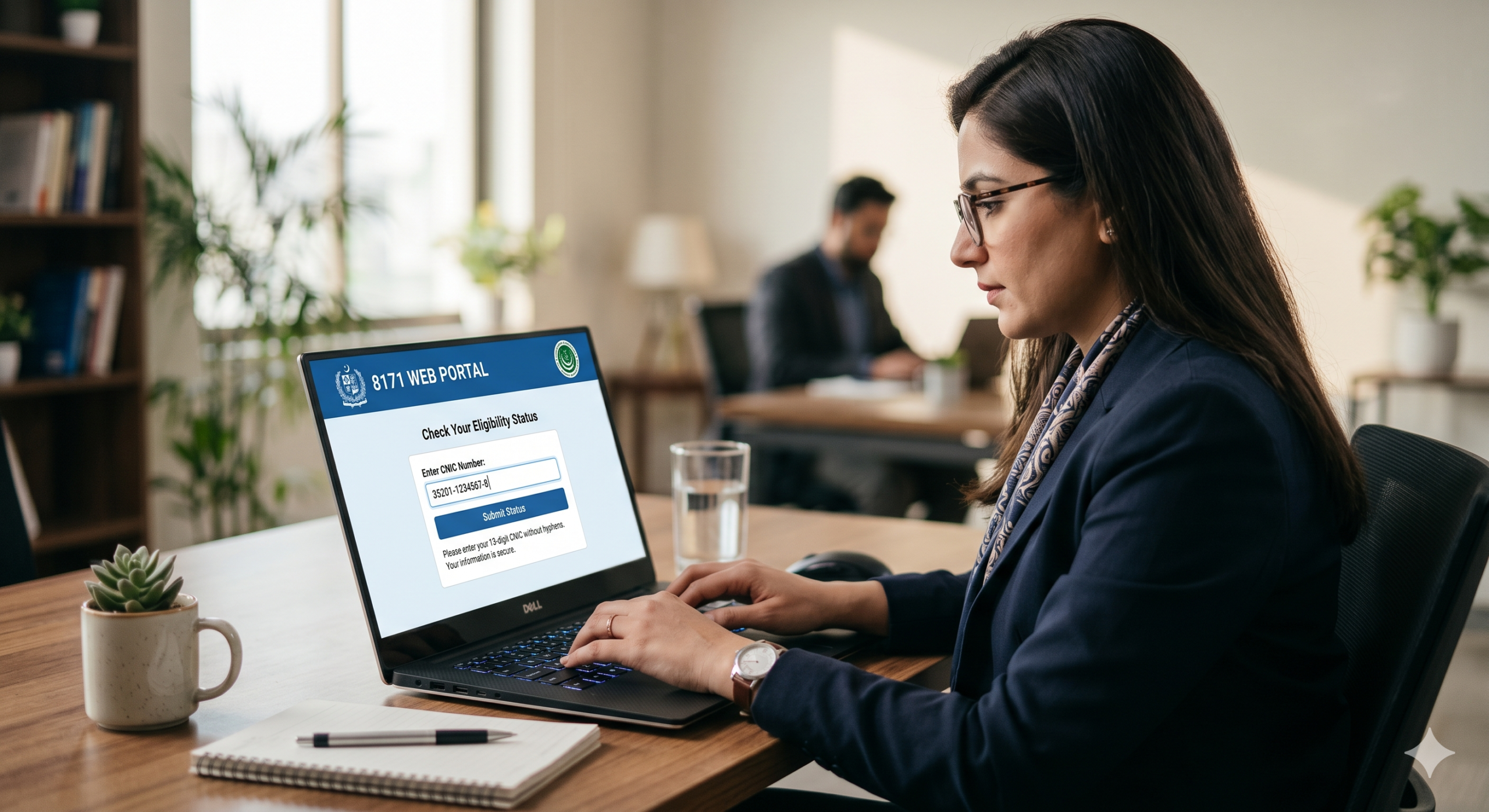
The 8171 Web Portal has become one of the most discussed online systems in Pakistan because thousands of families use it every day to check their eligibility for financial support programs. Many people depend on government assistance for household expenses, education, food, medicine, and utility bills. In the past, beneficiaries had to visit offices repeatedly just to confirm whether they qualified for support. This process was difficult, time-consuming, and expensive for people living in rural areas.
To solve these problems, the government introduced the 8171 portal system so deserving families could verify their status online through a simple process. Today, many people use the portal to check their eligibility, payment information, survey status, and registration details by using their CNIC number.
For families who are unfamiliar with online systems, the portal provides a much easier way to access information without standing in long lines or traveling long distances.
What Is The 8171 Web Portal
The 8171 Web Portal is an online verification platform designed to help people check whether they qualify for financial assistance programs. It connects users with official records and displays information related to eligibility and payments.
The system mainly supports people registered under assistance programs such as BISP and related welfare initiatives. By entering a CNIC number, users can quickly see whether their records are approved, under verification, or incomplete.
The portal is especially useful for:
- Low-income families
- Women receiving financial assistance
- People waiting for payment confirmation
- Families completing surveys
- New applicants checking eligibility
Instead of visiting multiple offices, users can now verify information within minutes using a mobile phone or computer.
Why The 8171 Portal Is Important
Before digital systems were introduced, many beneficiaries faced serious difficulties during registration and payment verification. Some people had to travel for hours to reach government offices only to discover their records were still under review.
The 8171 portal has improved this process in several ways.
1. Saves Time
Users no longer need to wait in long lines just to check their status. The portal provides quick information from home.
2. Reduces Travel Expenses
Many families cannot afford repeated travel costs. Online verification helps them avoid unnecessary visits.
3. Easy Access To Information
People can check:
- Eligibility status
- Payment updates
- Verification progress
- Survey requirements
4. Helps Rural Families
The SMS and online systems are especially helpful for people living in villages where office access is limited.
How To Check Eligibility Through The 8171 Portal
The eligibility checking process is simple and can be completed within a few minutes.
Step 1: Open The Official Portal
Use your mobile browser or computer to open the official verification portal.
Always make sure you are using the correct website because fake websites often attempt to collect personal information.
Step 2: Enter Your CNIC Number
Type your 13-digit CNIC carefully without adding spaces or dashes.
Incorrect numbers may show invalid results or verification errors.
Step 3: Complete Captcha Verification
A captcha code usually appears on the screen. Enter the code exactly as shown.
This step helps protect the system from spam and automated activity.
Step 4: Submit Your Information
After entering all details correctly, click the submit button.
The portal will process your information and display your status.
Types Of Responses You May Receive
Different users may receive different messages depending on their verification stage.
Eligible
This message means the applicant qualifies for financial assistance and may receive payment according to the schedule.
Under Verification
This indicates the records are still being reviewed. Applicants may need to wait for further confirmation.
Survey Required
Some users are asked to complete a dynamic survey before approval.
Not Eligible
This means the current records do not meet the eligibility criteria.
Who Can Apply For Assistance Programs
Although eligibility depends on official data, most assistance programs focus on low-income households.
Families may qualify if:
- Household income is limited
- Family faces financial hardship
- Applicant has a valid CNIC
- Survey records are complete
- Household information matches official databases
Widows, unemployed individuals, and women managing households are often given special consideration.
Common Problems Faced By Users
Even though the system is simple, many users still experience problems while checking eligibility.
Incorrect CNIC Entry
A small typing mistake can prevent the system from finding records.
Expired CNIC
Expired identity cards may create verification problems.
Weak Internet Connection
Slow internet may stop the portal from loading properly.
System Overload
During busy periods, the portal may temporarily slow down because thousands of users access it simultaneously.
Incomplete Survey
Families who have not completed their survey may see pending verification messages.
Tips For Successful Verification
People can improve their chances of smooth verification by following a few important steps.
Keep CNIC Updated
Always renew expired CNIC documents before checking status.
Use Accurate Information
False or incorrect information can delay approval.
Complete Surveys On Time
If a survey is required, complete it quickly to avoid payment delays.
Avoid Agents
Many fake agents demand money for registration or approval. Official systems do not require unofficial payments.
How The SMS Service Helps Users
People without internet access can still verify their information through the SMS system.
They simply need to:
- Open the mobile messaging app
- Type their CNIC number
- Send it to 8171
After some time, they receive a response about their eligibility or verification status.
This service is very useful for people living in remote areas.
Safety Tips While Using The Portal
Because many scammers target beneficiaries, users should remain careful while checking their information online.
Never Share Personal Details Publicly
Avoid posting CNIC numbers or verification screenshots on social media.
Ignore Fake Calls
Fraudsters sometimes pretend to be officials and ask for money or personal information.
Use Official Sources Only
Always verify information through official systems instead of random websites.
Benefits Of Digital Verification Systems
The introduction of digital systems has made financial assistance programs more organized and transparent.
Some major benefits include:
- Faster verification
- Reduced corruption
- Better record management
- Easier payment tracking
- Improved transparency
Digital services also help authorities identify deserving families more efficiently.
Why Some Families Lose Eligibility
In certain situations, people may stop receiving assistance.
Common reasons include:
- Incomplete records
- Increased household income
- Incorrect information
- Failure to complete surveys
- Verification mismatches
Families should regularly update their records to avoid interruptions.
Importance Of Biometric Verification
Biometric verification is often required during payment collection.
This process confirms the identity of beneficiaries and reduces fraud risks.
If fingerprints do not match, applicants may need to visit registration centers for assistance.
Final Thoughts
The 8171 Web Portal has simplified the eligibility checking process for millions of families across Pakistan. Instead of visiting offices repeatedly, users can now verify their information online within minutes.
The portal provides a more transparent and convenient system for beneficiaries who depend on financial support programs. By entering the correct CNIC number and following official procedures, families can easily check their eligibility, payment updates, and verification status.
Applicants should always keep their records updated, avoid fake agents, and use only official systems while checking information. Proper verification and accurate records help ensure deserving families continue receiving assistance without unnecessary delays.